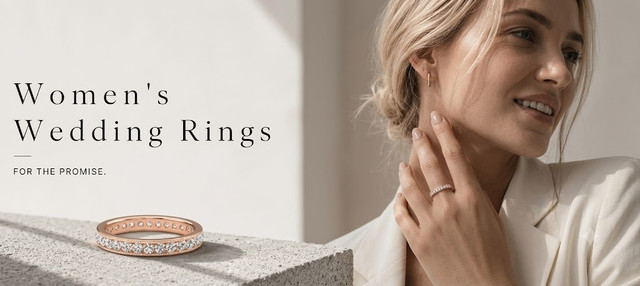
Choosing a wedding ring is one of the most meaningful parts of preparing for a marriage. The right ring reflects your partner's personality, suits their everyday lifestyle, and serves as a lasting reminder of your commitment. When exploring Wedding Rings, it helps to look beyond appearance and consider comfort, materials, durability, and personal taste. Whether your partner prefers a classic gold band, a modern minimalist design, or a ring with sparkling gemstones, understanding these details will make the buying process easier and more rewarding.
Understand Your Partner's Personal Style
The best place to start is with your partner's existing jewelry collection. The pieces they wear regularly can reveal a great deal about their preferences.
Some people prefer simple, understated jewelry. Others enjoy bold designs, intricate details, or rings that feature diamonds and other gemstones. Pay attention to the colors, shapes, and finishes they choose most often.
For example, someone who wears delicate necklaces and small earrings may appreciate a slim wedding band with a polished finish. A partner who enjoys statement jewelry might prefer a wider band, an unusual setting, or a design with distinctive details.
Consider these common styles when narrowing down your options:
- Classic: Traditional gold or platinum bands with clean lines and timeless appeal.
- Modern: Minimalist designs, geometric shapes, and contemporary finishes.
- Vintage-inspired: Decorative engravings, milgrain edges, and intricate patterns.
- Gemstone-focused: Rings featuring diamonds or colored gemstones as the main attraction.
- Nature-inspired: Organic shapes, leaf patterns, and details influenced by the natural world.
If you are planning a surprise, look at the jewelry your partner already owns or ask someone they trust for advice. A subtle conversation about ring preferences can also provide useful clues without revealing your plans.
Choose the Right Metal
The metal influences a wedding ring's appearance, durability, maintenance requirements, and price. Selecting the right material is particularly important because a wedding ring is often worn every day.
Gold
Gold remains a popular choice for wedding jewelry because of its traditional appeal and range of colors.
Yellow gold offers a warm, classic appearance. White gold has a bright, silvery look that works well with many diamond settings. Rose gold features a soft pink tone that creates a distinctive, romantic style.
Gold purity is measured in karats. For example, 14-karat gold contains approximately 58.3% pure gold, while 18-karat gold contains 75% pure gold. Higher-karat gold has a greater proportion of pure gold, but it is generally softer than lower-karat alternatives.
The best choice depends on your partner's preferred color, daily activities, and willingness to maintain the ring.
Platinum
Platinum is valued for its naturally white appearance, density, and durability. It is a popular option for people who want a premium metal that complements diamonds and other gemstones.
Platinum can develop a matte appearance and surface scratches with regular wear. These changes are normal and can be addressed through professional care when desired.
Its higher price compared with many gold options may also influence your decision.
Sterling Silver
Sterling silver offers an accessible option for people who enjoy a bright, understated look. It can work well for fashion jewelry and certain wedding ring designs.
However, silver is softer than many commonly used wedding ring metals and can tarnish over time. It may require more frequent cleaning and maintenance than some alternatives.
Alternative Metals
Titanium, tungsten carbide, and other alternative materials are available in contemporary ring designs. They may appeal to partners who prefer modern styling or want to explore different price points.
Before purchasing a ring made from an alternative metal, ask about resizing options, repair services, and the manufacturer's care recommendations. Some materials are difficult or impossible to resize using conventional jewelry techniques.
Set a Comfortable Budget
A wedding ring should be meaningful without creating unnecessary financial pressure. There is no universal amount that couples must spend on wedding jewelry.
Start by deciding how much you can comfortably afford. Then compare rings within that range, considering the quality of the materials, craftsmanship, design, and after-sales services.
A higher price does not automatically mean a ring is the best choice for your partner. A simple, well-made band may be more suitable than an elaborate design that does not match their preferences.
When comparing prices, check what is included in the purchase. Some retailers provide a warranty, complimentary cleaning, or an initial resizing service, while others charge separately for these benefits.
It is also helpful to ask about return policies, exchange conditions, delivery charges, and the availability of repairs. These details can make a significant difference if the ring does not fit properly or your partner decides on a different style.
Decide Whether to Include Diamonds or Gemstones
Gemstones can add personality, color, and visual interest to a wedding ring. However, they also affect its cost, maintenance, and suitability for everyday wear.
Diamond Wedding Rings
Diamonds are a traditional choice because of their brilliance and hardness. They are available in a variety of cuts and settings, allowing buyers to choose anything from a subtle accent stone to a prominent centerpiece.
When comparing diamonds, consider the four Cs:
- Cut: Influences how effectively a diamond reflects light.
- Color: Describes the degree of colorlessness in a diamond grading system.
- Clarity: Refers to internal characteristics and surface imperfections.
- Carat: Measures the diamond's weight, not its physical dimensions alone.
The right combination depends on your budget and priorities. A smaller diamond with an attractive cut may be more appealing than a larger stone with less desirable characteristics.
For higher-value diamonds, ask whether independent grading documentation is available and verify that it corresponds to the stone being sold.
Colored Gemstones
Sapphires, rubies, emeralds, and other gemstones provide alternatives to traditional diamond designs. They can also make a ring feel more personal, particularly when a particular color has special meaning for your partner.
However, gemstones differ in hardness, toughness, and sensitivity to heat or chemicals. Some require more careful handling than others.
If your partner intends to wear the ring every day, discuss the gemstone's suitability with a qualified jeweler before making a purchase.
Find the Correct Ring Size
A beautiful ring will not be comfortable if it does not fit properly. Ring sizing deserves special attention, particularly when you are buying a surprise gift.
The ring should fit securely while allowing your partner to remove it without excessive difficulty. Finger size can change slightly with temperature, activity, and other everyday factors.
If possible, have your partner's finger measured by a professional jeweler. If you need to keep the purchase a secret, consider asking a trusted friend or family member to help.
You can also ask a jeweler whether a ring your partner already wears can provide a useful sizing reference. Make sure it is worn on the same finger and hand, since sizes can differ between fingers.
Before placing an order, confirm the retailer's sizing system and ask whether the ring can be resized later. Some designs, particularly those with gemstones around the entire band or those made from certain alternative metals, may have limited resizing options.
Consider Everyday Comfort and Durability
Wedding rings are often worn during work, travel, exercise, and household activities. The design should therefore suit the way your partner lives.
A person who works with their hands may prefer a smooth band with a low-profile setting. Someone who works in an office may be comfortable with a more detailed design, provided it does not interfere with daily tasks.
Think about the following details:
- Band width: Narrow bands often feel delicate, while wider bands can create a stronger visual presence.
- Ring profile: Rounded edges and smooth interiors can improve comfort.
- Gemstone setting: Lower settings may be less likely to catch on clothing or other materials.
- Surface finish: Polished, brushed, and textured finishes have different appearances and maintenance needs.
- Maintenance: Rings with intricate details or multiple stones may require more frequent professional inspection.
No ring is completely maintenance-free. Regular cleaning and occasional checks of gemstone settings can help preserve its appearance and reduce the risk of losing a stone.
For certain activities, removing a ring may be the safest option. Follow the jeweler's care instructions, particularly when using cleaning products, handling chemicals, or working with equipment.
Choose a Ring That Complements the Engagement Ring
If your partner already has an engagement ring, consider how the wedding band will look and fit alongside it.
Some couples prefer matching metals and coordinated designs. Others enjoy combining different colors or styles to create a more individual look.
A straight wedding band works well with many engagement rings, but a curved or contoured band may be needed when the engagement ring has a prominent setting that prevents the two rings from sitting together comfortably.
It is worth trying both rings together before making a final decision. This helps you assess their proportions, comfort, and overall appearance.
You should also consider whether the metals and settings are suitable for regular contact. Certain combinations may wear differently over time, so a jeweler can recommend suitable pairings.
If you are buying both rings together, compare coordinated sets as well as individual pieces. A set can simplify the selection process, although choosing separate rings gives you greater flexibility.
Personalize the Ring With Meaningful Details
Personalization can turn a beautiful piece of jewelry into a lasting symbol of your relationship.
Engraving is one of the most popular options. Depending on the available space, you might choose a wedding date, initials, a short phrase, or a private message that has meaning for both of you.
Other possibilities include selecting a gemstone associated with a meaningful date, choosing a distinctive finish, or creating a custom design inspired by a shared memory.
Keep the engraving readable and appropriate for the available space. Ask the jeweler whether personalization affects resizing, returns, or exchanges, since customized rings may be subject to different policies.
The most successful personalization reflects your relationship rather than following a trend. Even a small detail can make the ring feel uniquely connected to the person wearing it.
Research the Jewelry Retailer Before Buying
The retailer you choose can influence the entire buying experience. A trustworthy seller should provide clear product descriptions, accurate sizing information, transparent pricing, and accessible customer support.
Before purchasing a ring, check the following:
- Material details: Confirm the metal type, purity, and any plating or coating.
- Gemstone information: Review the type, quality, and relevant grading documentation.
- Product photographs: Look for clear images that show the ring from multiple angles.
- Sizing guidance: Check how measurements are taken and whether resizing is available.
- Return policy: Understand the deadline, exclusions, and conditions for exchanges or refunds.
- Warranty and repairs: Ask what is covered and whether maintenance services are available.
- Customer feedback: Read reviews for information about product quality, fit, delivery, and customer service.
When shopping online, read the complete product description rather than relying only on photographs. Images may not communicate a ring's actual width, weight, or proportions accurately.
If you have questions about a particular design, contact the seller before ordering. Clear answers can help you make a more confident decision.
Explore Wedding Ring Options That Match Your Needs

Once you understand your partner's style, preferred materials, and practical requirements, you can begin comparing designs.
Browse Wedding Rings to explore options and identify styles that suit your preferences. Compare the available designs, examine the product details, and consider which pieces best reflect your partner's taste.
Take your time during this stage. It is easy to focus on a striking design without considering comfort, sizing, or long-term care. A careful comparison helps you balance appearance with everyday practicality.
If you are unsure which ring to select, create a shortlist of two or three options. Compare their materials, prices, settings, and sizing policies before deciding. This makes the final choice more manageable and reduces the chance of overlooking an important detail.
Common Mistakes to Avoid When Buying a Wedding Ring
Even a thoughtful buyer can overlook small details when shopping for wedding jewelry. Avoiding a few common mistakes can make the experience smoother.
Choosing a ring based only on trends: Fashion changes over time. Focus on what your partner genuinely likes rather than selecting a design simply because it is popular.
Ignoring comfort: A ring may look attractive but feel uncomfortable during daily activities. Consider the band's shape, width, weight, and setting.
Guessing the ring size: An incorrect size can lead to extra costs and delays. Confirm measurements and resizing options before ordering.
Overlooking maintenance: Some metals and gemstone settings require regular professional attention. Understand the care involved before purchasing.
Assuming all diamonds are alike: Diamonds vary in quality and appearance. Compare the relevant characteristics and request documentation when appropriate.
Skipping the retailer's policies: Return restrictions, customization rules, and warranty terms can affect your options after purchase. Read them carefully.
Avoiding these mistakes helps you choose a ring that is attractive, practical, and appropriate for your budget.
Key Takeaways
- Start with personal style: Look at your partner's existing jewelry and preferred designs.
- Compare metals carefully: Gold, platinum, silver, and alternative metals have different properties and maintenance requirements.
- Set a realistic budget: Prioritize quality, comfort, and personal meaning over an arbitrary spending target.
- Check gemstone details: Understand diamond grading and the care needs of colored gemstones.
- Confirm the ring size: Accurate measurements and clear resizing policies help prevent problems.
- Think about everyday use: Select a design that suits your partner's work, activities, and comfort preferences.
- Research the retailer: Review product specifications, customer feedback, return policies, and warranty terms.
- Make it personal: A meaningful engraving or thoughtful design choice can make the ring especially memorable.
Finding the perfect wedding ring for your partner involves more than choosing an attractive piece of jewelry. It requires understanding their preferences, selecting suitable materials, checking the fit, and considering how the ring will perform during everyday life.
Whether you choose a traditional gold band, a contemporary platinum design, or a gemstone ring with personal significance, the best option is one that feels right for your partner and fits comfortably within your budget.
Take time to compare different styles, research the retailer, and review the details before making your purchase. Exploring the available Wedding Rings collection can help you discover designs that balance personal style, lasting appeal, and practical value. Ultimately, the most meaningful wedding ring is the one that reflects your relationship and the commitment you share.