Why Temporary Safety Downtime Requires Immediate Attention
Unexpected equipment failures, fire alarm outages, sprinkler maintenance, and building repairs can create safety challenges for businesses that need to continue operating. During these periods, employers must evaluate how temporary disruptions affect existing fire protection measures and emergency procedures. Emergency fire watch coverage can help maintain awareness of developing fire hazards while essential systems are unavailable or work activities introduce additional risks. A prompt response helps organizations protect employees, contractors, visitors, equipment, and property during vulnerable periods.
Temporary safety downtime does not always mean a facility must stop every activity, but it does require careful assessment of the conditions involved. Employers should identify which protection systems are affected, determine whether occupants remain at risk, and establish appropriate interim precautions. Depending on the circumstances, these measures may include additional inspections, restricted access, evacuation arrangements, and trained personnel assigned to monitor designated areas. Clear decisions at the beginning of an interruption can reduce confusion and support a more controlled response.
Common Situations That Require Temporary Fire Watch Coverage
Fire protection systems sometimes need to be taken offline for repairs, inspections, upgrades, or replacement work. A malfunctioning alarm panel, impaired sprinkler system, damaged fire pump, or maintenance-related shutdown may leave a building without its normal level of protection. Employers and property managers should evaluate the affected areas, duration of the outage, occupancy conditions, and potential fire hazards before deciding what temporary safeguards are necessary. Applicable fire codes, local authorities, and insurance requirements may also influence the response.
Construction and industrial maintenance can create additional situations in which temporary monitoring becomes important. Welding, cutting, electrical repairs, machinery replacement, and other activities may generate heat or sparks near combustible materials. Water damage repairs and renovation projects can also expose concealed spaces or temporarily alter access routes. A site-specific assessment helps determine whether a dedicated fire watch is needed, how many personnel may be required, and which areas need continuous observation or scheduled inspections.
Responding Quickly When Fire Protection Systems Fail
When a fire protection system becomes unavailable unexpectedly, the first priority is to understand the extent of the impairment and communicate the situation to responsible personnel. Facility managers should identify the affected zones, assess immediate hazards, and follow established impairment procedures. Depending on the system and circumstances, they may need to notify the fire department, monitoring company, building occupants, property owner, or other relevant authorities. Immediate coordination helps ensure that everyone understands the interruption and the measures being taken to manage the risk.
The response should include a practical plan for maintaining safety until normal protection is restored. This may involve restricting hazardous activities, increasing inspections, assigning trained monitoring personnel, or temporarily relocating occupants from vulnerable areas. If conditions cannot be managed safely, affected operations may need to stop until appropriate safeguards are established. Supervisors should document the time of the outage, affected systems, notifications, interim controls, and expected repair progress so that important information remains available throughout the disruption.
Establishing an Effective Monitoring Plan During Repairs
A useful monitoring plan begins with a clear understanding of the property layout and the risks associated with the repair work. Employers should identify entrances, exit routes, equipment rooms, storage areas, combustible materials, and locations where a fire could develop without being noticed quickly. The plan should specify the areas requiring observation, the responsibilities of assigned personnel, and the method for communicating urgent concerns. It should also establish how monitoring will continue when repairs extend beyond the original schedule.
The level of monitoring should reflect the actual conditions rather than follow an arbitrary arrangement. A small commercial building experiencing a brief alarm system interruption may require different precautions from a large industrial site with several affected production areas. Supervisors should consider occupancy, building complexity, ignition sources, and the availability of other protective measures. When conditions change, the plan should be reviewed and adjusted. A written record of assigned duties and inspection findings helps maintain consistency across shifts and contractor teams.
Selecting Trained Personnel for Emergency Fire Watch Duties
Personnel assigned to fire watch duties need to understand the hazards present at the site and the actions expected of them. Appropriate training should cover fire recognition, alarm activation, emergency communication, evacuation procedures, and the safe use of suitable firefighting equipment within the individual's training and capabilities. Workers should also know how to contact emergency responders and identify the safest routes away from danger. Training should be relevant to the specific building, equipment, and work activities involved.
Employers should select personnel who can remain attentive and perform monitoring responsibilities without competing assignments interfering with their duties. The number of people needed depends on the facility's size, layout, visibility, hazard level, and monitoring requirements. One person may not be able to observe several separated floors or distant work areas effectively. Before the assignment begins, supervisors should explain the coverage boundaries, reporting procedures, communication methods, and conditions that require work to stop or occupants to evacuate.
Coordinating Repairs, Contractors, and Facility Management
Fire protection repairs often involve several parties, including maintenance teams, specialist contractors, building managers, and external service providers. Without coordination, one team may begin work without realizing that another system has been disabled or that a nearby area contains additional hazards. Employers should establish a clear communication process before repairs start and share relevant information about system impairments, work schedules, restricted zones, and emergency arrangements. A designated coordinator can help keep responsibilities clear throughout the project.
Communication must continue when repair schedules change or unexpected problems arise. For example, a replacement component may be delayed, an inspection may reveal additional damage, or a temporary shutdown may last longer than anticipated. Supervisors should reassess the monitoring arrangements whenever these developments affect workplace safety. Contractors should report new hazards promptly, while facility managers should communicate any changes to occupants and other affected personnel. Coordinated planning helps prevent gaps in coverage and supports a safer return to normal operations.
Managing Fire Risks in Occupied Commercial Buildings
Businesses sometimes need to maintain limited operations while repairs are underway, particularly when a complete shutdown would disrupt customers, employees, or essential services. However, continued occupancy should depend on a careful assessment of the affected fire protection systems and the safeguards available during the interruption. Building managers may need to limit access to certain areas, adjust occupancy arrangements, suspend activities that create ignition sources, or implement other interim controls. Applicable codes and directions from the relevant authorities should guide these decisions.
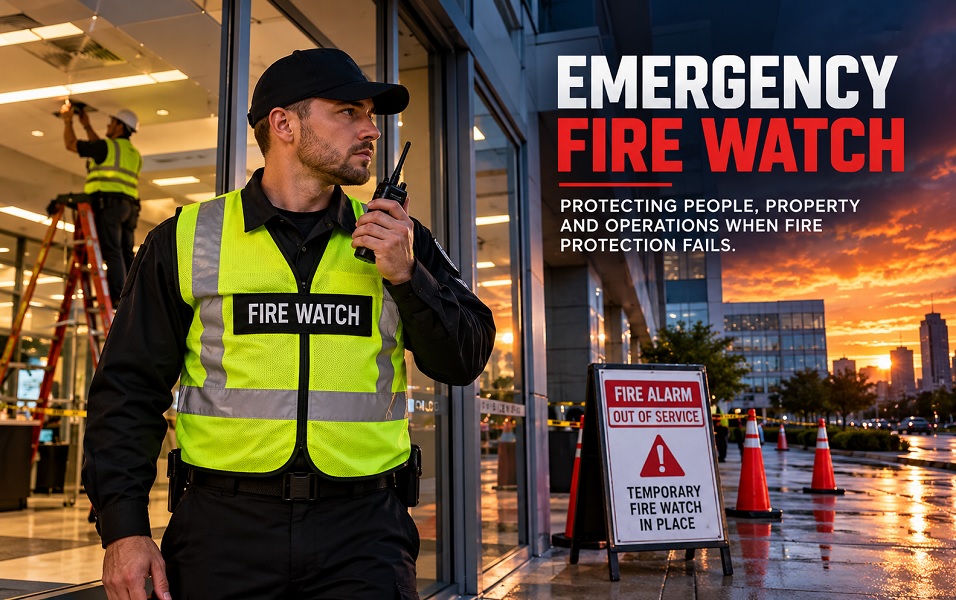
An Emergency fire watches arrangement can help maintain awareness of developing hazards when temporary conditions make normal protection measures insufficient. Assigned personnel should understand the building's layout, exit locations, alarm procedures, and areas requiring closer attention. They should also know how to report blocked exits, smoke, unusual heat, or other signs of danger. Monitoring is not a substitute for repairing impaired systems or complying with applicable fire safety requirements, but it can form part of a broader, properly assessed interim safety plan.
Maintaining Records and Verifying Safety Improvements
Accurate records help employers demonstrate that they have actively managed a fire protection interruption. Documentation should identify the affected systems, the reason for the outage, the time it began, the responsible coordinator, and the temporary precautions implemented. Monitoring logs can record inspection times, observed conditions, reported concerns, and corrective actions. These records support communication between shifts and help managers verify that required duties have been completed rather than relying on informal verbal updates.
Once repairs are finished, the responsible team should confirm that the affected systems have been restored, tested, and returned to service according to applicable procedures. Relevant personnel should be informed when normal protection is available again, and any required notifications should be completed. The employer should also review unresolved hazards, outstanding maintenance tasks, and lessons from the interruption. If the outage revealed weaknesses in emergency planning or communication, updating procedures can improve preparedness for future maintenance and unexpected failures.
Choosing Reliable Fire Watch Support for Safety Downtime
Arranging qualified outside personnel may be useful when a business lacks sufficient trained staff to provide the required monitoring during repairs or system outages. When evaluating a provider, employers should review relevant experience, personnel training, response availability, communication procedures, and the ability to follow site-specific instructions. They should explain the location, type of impairment, expected duration, occupancy conditions, and any special hazards before requesting coverage. Clear expectations help ensure that the service aligns with the facility's actual needs.
The Fast Fire Watch Company provides fire watch services for businesses and properties that need additional support during periods of elevated fire risk. Before engaging a provider, facility managers should confirm the proposed coverage arrangements, monitoring responsibilities, schedule, and emergency communication process. They should also establish who will coordinate repairs and determine when temporary coverage can end under applicable requirements. Careful provider selection, effective supervision, and clear site procedures help businesses manage safety downtime without overlooking their continuing fire prevention responsibilities.
Preparing for Faster Recovery After Fire Safety Interruptions
A planned approach to fire protection maintenance can reduce confusion when systems become unavailable. Facility managers should maintain current emergency contacts, identify qualified repair contractors, understand the process for reporting system impairments, and prepare procedures for arranging temporary safeguards. Reviewing these arrangements before an outage occurs can help decision-makers respond more efficiently when an unexpected failure interrupts normal operations. Staff should also know who is responsible for approving interim measures and communicating changes to affected occupants.
For urgent situations, Emergency fire watch coverage should be considered as part of a coordinated response based on the actual risks, applicable regulations, and directions from the relevant authorities. Employers should not assume that every outage requires the same response or that monitoring alone makes an impaired building safe for continued occupancy. A thorough assessment, prompt communication, trained personnel, and timely system restoration provide a stronger foundation for protecting people and property. With clear procedures in place, organizations can manage repairs more confidently while maintaining attention to fire prevention.